Governance

Unitarian Universalist Governance

Unitarian Universalist congregations are governed under what is known as congregational polity, a common governance model among many Protestant denominations within the United States, originating in what was known as the Cambridge Platform of 1648 in New England among Puritans. 

In a strict conception of congregational polity, each congregation is autonomous and self-governing and self-responsible with no relationship to a higher governing structure.  Within Unitarian Universalism, while drawing our historical roots from this tradition, we also govern democratically through “covenant” – our promises and our commitments to one another while in relationship.

This means that each Unitarian Universalist congregation is composed of those who choose to be voting members and who promise in this to abide by our values and principles. Members assume a higher level of responsibility for the health and wellbeing of the congregation.

Governing by “covenant” also means that each congregation can choose to be in larger covenanted relationships with other congregations regionally, across the country, and/or internationally.

For the First Parish UU, this means that we choose to be a formal voting member of our larger association of UU congregations, the Unitarian Universalist Association (UUA), as well as the UUA New England Region, and also informally we have a relationship with a few other local UU congregations known generally as the Five Points Cluster.

Within First Parish, we are governed by a constitution and by-laws, and our highest elected body is our Parish Committee. Nominated by the Parish Committee, the Trustees of the Ministerial Fund are a separate elected body who assist in managing the financial health of First Parish. These are the sole elected bodies in the governance of First Parish.  Elections are held through an annual meeting in the spring, and only voting members of First Parish may engage in that election and/or hold a seat on these two bodies.  All other lay leadership of the congregation happens informally for the various activities of congregational life, and most often, these informal lay ministry leadership positions are held by individuals choosing to be members.

Unitarian Universalist congregations are governed under what is known as congregational polity, a common governance model among many Protestant denominations within the United States, originating in what was known as the Cambridge Platform of 1648 in New England among Puritans. 

In a strict conception of congregational polity, each congregation is autonomous and self-governing and self-responsible with no relationship to a higher governing structure.  Within Unitarian Universalism, while drawing our historical roots from this tradition, we also govern democratically through “covenant” – our promises and our commitments to one another while in relationship.

This means that each Unitarian Universalist congregation is composed of those who choose to be voting members and who promise in this to abide by our values and principles. Members assume a higher level of responsibility for the health and wellbeing of the congregation.

Governing by “covenant” also means that each congregation can choose to be in larger covenanted relationships with other congregations regionally, across the country, and/or internationally.

For the First Parish UU, this means that we choose to be a formal voting member of our larger association of UU congregations, the Unitarian Universalist Association (UUA), as well as the UUA New England Region, and also informally we have a relationship with a few other local UU congregations known generally as the Five Points Cluster.

Within First Parish, we are governed by a constitution and by-laws, and our highest elected body is our Parish Committee. Nominated by the Parish Committee, the Trustees of the Ministerial Fund are a separate elected body who assist in managing the financial health of First Parish. These are the sole elected bodies in the governance of First Parish.  Elections are held through an annual meeting in the spring, and only voting members of First Parish may engage in that election and/or hold a seat on these two bodies.  All other lay leadership of the congregation happens informally for the various activities of congregational life, and most often, these informal lay ministry leadership positions are held by individuals choosing to be members.

Parish Committee

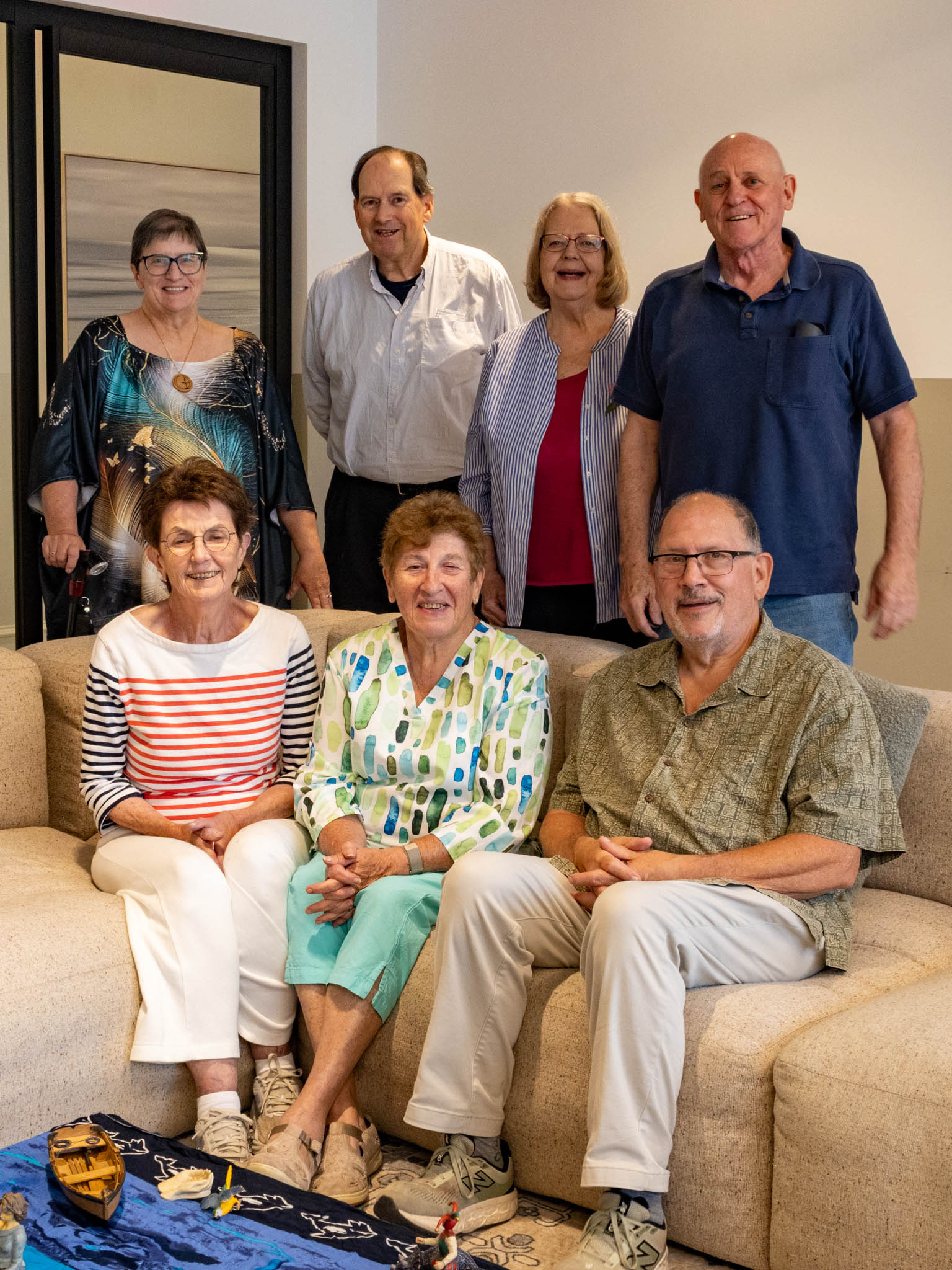
The Parish Committee is the highest elected governing body of First Parish (what some people might otherwise call its board). For 2026-2027, the Parish Committee members are:

Kitty McGregor, President
Dave Williams, Vice President, Administration Debbie Radovsky, Vice President, Member Services
Larry Cotton, Treasurer
Nancy Devine, Clerk
Felisa White, Member-at-Large
Don Seaman, Member-at-Large

Trustees of the Ministerial Fund

The Trustees of the Ministerial Fund are nominated by the Parish Committee and affirmed by a vote at the annual meeting. They are the only other formally elected body of First Parish and assist with managing the financial health of First Parish. For 2026-2027, the Trustees of the Ministerial Fund are:

Laurie Burkhardt, Chair
Tom Hanold
David Bryant
Dick Mezger
Felisa White

Unitarian Universalist Association

The mission of the Unitarian Universalist Association (UUA) is to equip congregations for health and vitality, to support and train lay and professional leaders, and to advance Unitarian Universalist values in the world.​

The UUA is the central organization for the Unitarian Universalist (UU) religious movement in the United States. The UUA’s 1000+ member congregations are committed to inseparable and deeply interdependent shared values of interdependence, transformation, generosity, pluralism, justice, and equity—all centered around love.

The UUA is led by the elected PresidentModerator and Board of Trustees. These leaders are elected every few years by congregational delegates at the annual General Assembly gathering. The President is the chief executive of the UUA and its public spokesperson. The Moderator chairs the business meetings of the General Assembly and meetings of the Board of Trustees. Specialized boards, committees, and advisors also help lead the UUA.

UUA New England Region

The New England Region UUA is composed of 232 congregations. The congregations in this geographical area were previously organized into districts. As the UUA reorganized nationally into 5 Regions (New England, Southern, Central East, Mid-America, Pacific West), all former districts in New England merged into the New England Region. The mission of the New England Region UUA staff is to equip and support religious professionals and lay leaders for healthy, vibrant Unitarian Universalist ministries. They listen, support, coach and consult on any aspect of congregational life, including challenges and successes in a congregation’s ministries. They also connect congregational leaders to share wisdom and experiences with each other through learning opportunities and gatherings throughout the year.